

.png "Are you taking a multivitamin?")
Are you taking a multivitamin?
For most Americans, a day to day multivitamin is a superfluous propensity.
Is it true or not that you are among the one out of three Americans who swallows down a multivitamin each day, most likely with a taste of water? Reality with regards to this well known propensity might be difficult to accept.
"The vast majority would be in an ideal situation simply drinking a full glass of water and skirting the nutrient," says Dr. Pieter Cohen, an academic administrator of medication at Harvard Clinical School and an internist at Harvard-partnered Cambridge Wellbeing Union. As well as setting aside cash, you'll have the fulfillment of not capitulating to deceiving showcasing plans.
That is on the grounds that for the typical American grown-up, a day to day multivitamin gives no significant medical advantage, as noted as of late by the US Preventive Administrations Team (USPSTF). Their survey, which investigated 84 examinations affecting almost 700,000 individuals, found practically zero proof that taking nutrient and mineral enhancements forestalls malignant growth and cardiovascular infection that can prompt coronary failures and stroke, nor do they assist with forestalling an early demise.
.png "Are you taking a multivitamin?")
"We have great proof that for by far most of individuals, taking multivitamins won't help you," says Dr. Cohen, a specialist in dietary enhancement examination and guideline.
Who could require a multivitamin or individual enhancements?
There are a few special cases, be that as it may. Profoundly prohibitive eating regimens and gastrointestinal circumstances, or certain weight reduction medical procedures that cause unfortunate supplement ingestion, are instances of justifications for why a multivitamin or individual nutrients may be suggested. An everyday vitamin D enhancement might be fundamental when an individual gets inadequate sun openness. Your PCP might suggest an iron enhancement on the off chance that you have a low red platelet count (weakness).
.png "Are you taking a multivitamin?")
For what reason is it hard to surrender the propensity for a day to day multivitamin?
Overviews propose individuals take nutrients to remain solid, feel more vivacious, or gain genuine serenity, as indicated by a publication that went with the USPSTF survey. These convictions originate from a strong story about nutrients being solid and regular that goes back almost a long period.
"This story requests to many gatherings in our populace, including individuals who are moderate vegans and furthermore to traditionalists who are dubious about science and think that specialists are planning something naughty," says Dr. Cohen.
.png "Are you taking a multivitamin?")
Doubtful promoting claims for dietary enhancements
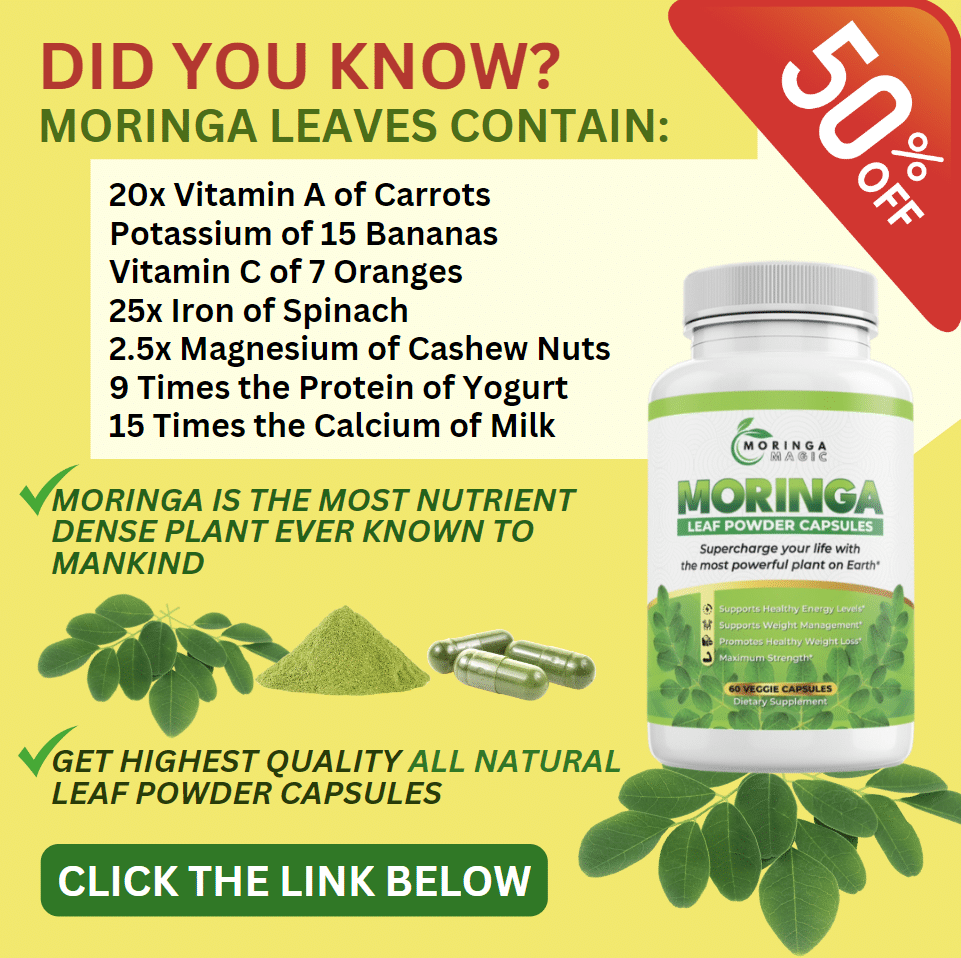
Nutrients are exceptionally economical to make, so the organizations can sink loads of cash into promoting, says Dr. Cohen. But since the FDA controls dietary enhancements as food and not as remedy or non-prescription medications, the office just screens claims with respect to the treatment of infection.
For instance, supplement creators can't say that their item "brings down coronary illness risk." However their names are permitted to incorporate expressions, for example, "advances a solid heart" or "supports invulnerability," as well as obscure commitments about further developing exhaustion and low inspiration.
"Supplement makers are permitted to showcase their items as though they have benefits when no advantage really exists. It's cherished into the law," says Dr. Cohen. Taking note of the lawfully required disclaimer on every item: "These assertions have not been assessed by the Food and Medication Administration is astute. This item isn't expected to analyze, treat, fix, or forestall any infection."
.png "Are you taking a multivitamin?")
Yet, even the coarse speech in this disclaimer — "not expected to analyze, treat, fix, or forestall" — doesn't appear to influence how individuals see the advertising claims.
Despite the fact that multivitamins aren't useful, essentially they're not destructive. Be that as it may, the cash individuals spend on them could be better spent on buying good food varieties, Dr. Cohen says.






.png)
.png)


.png)


.png&description=Are you taking a multivitamin?)